
The City as a Moral Battleground
Taxi DriverThis thread traces how Travis’s changing perception turns New York’s crowds and streets into an imagined battlefield, then exposes the gulf between his judgments and other lives.
increasing Bearing strength in each event
 decreasing
Bearing strength in each eventdecreasingA Dirty First Impression
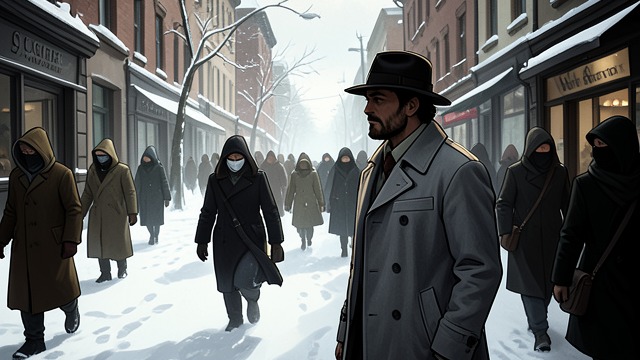
A Dirty First Impression
Familiar misery
Travis sees snow, grime, and crowds of people he regards as threatening or degraded. He thinks the city is bad, though not worse than places he has known.
A narrow perspective
His descriptions reveal his loneliness as much as the city’s conditions. He begins by treating observation as certainty rather than asking what strangers experience.
Night Passengers
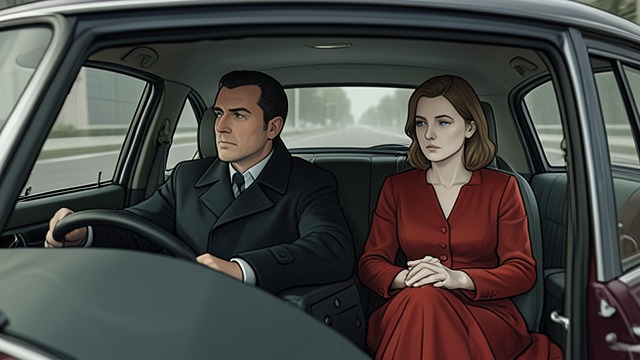
Night Passengers
Stories in passing
Travis carries clients through private grief, confusion, and routine. He often notices their pain but does not know how to respond or sustain contact.
A moving divide
The passengers share the cab briefly, then leave him alone again. Their proximity makes his isolation sharper rather than easing it.
The Falling Figure
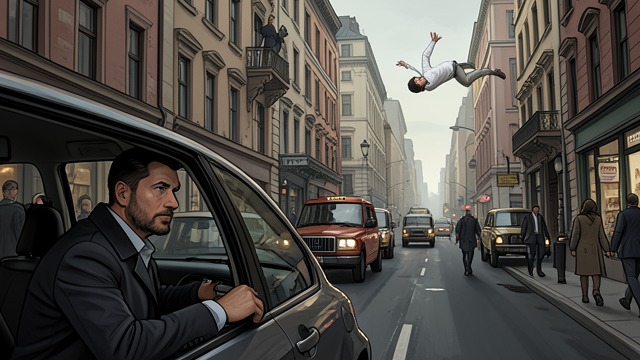
The Falling Figure
Witnessing without intervention
Travis sees a man fall from a building while driving through a busy district. He offers a passenger a mundane explanation, calling the sight merely a drifting newspaper.
Evasion as habit
His invented account protects both him and the passenger from the event’s meaning. The scene shows how observation can turn into denial when he cannot bear involvement.
The Rally Crowd
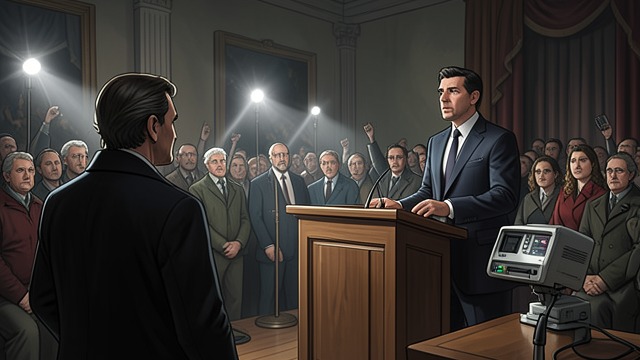
The Rally Crowd
A public spectacle
Travis watches Charles Palantine speak to a crowd surrounded by security and news cameras. He sees the audience as followers and the candidate as a figure of worship.
A private script
The gathering becomes a setting for Travis’s imagined confrontation. The actual political message matters less to him than the chance to make himself visible.
The Cab Returns
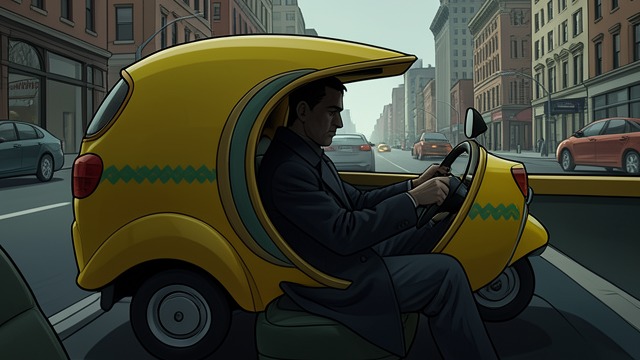
The Cab Returns
Familiar streets
After leaving hospital, Travis returns to the city and to driving. The streets remain available for movement even though his understanding of them has not clearly changed.
Unfinished judgment
The ending softens his immediate crisis but offers no broad reconciliation. The city remains both a workplace and a screen for his fears.
Travis’s first winter in New York City
During the early months of night driving
During a hot day near midyear
At a summer campaign rally in Brooklyn
In autumn, after Travis’s recovery
